
Smarter Homes, Cleaner Planet
Today we dive into responsible e-waste strategies when transitioning to smart home tech, turning upgrades into positive environmental action. Learn how to extend device life, protect your data, choose certified recycling, and involve your community. Share your journey, ask questions, and subscribe for actionable checklists that make sustainability practical, affordable, and genuinely rewarding.


Planning Your Upgrade Path
Before adding new sensors, hubs, or displays, map what you own, what still works, and what truly needs replacing. A thoughtful plan reduces impulse purchases, prevents duplication, and saves devices from landfills. Prioritize interoperability, allocate time for data wipes, and set aside a budget for certified recycling fees or take-back shipping, strengthening both environmental outcomes and household resilience.

Maintenance That Adds Years
Dust fans, replace degraded batteries, refresh thermal paste, and update firmware to regain stability and efficiency. Simple care restores performance and safety, turning “obsolete” gadgets into reliable helpers. Paired with high-quality chargers and surge protection, this attention prevents premature failure, slashes waste, and stretches the return on the materials, energy, and money already invested.
Creative Repurposing
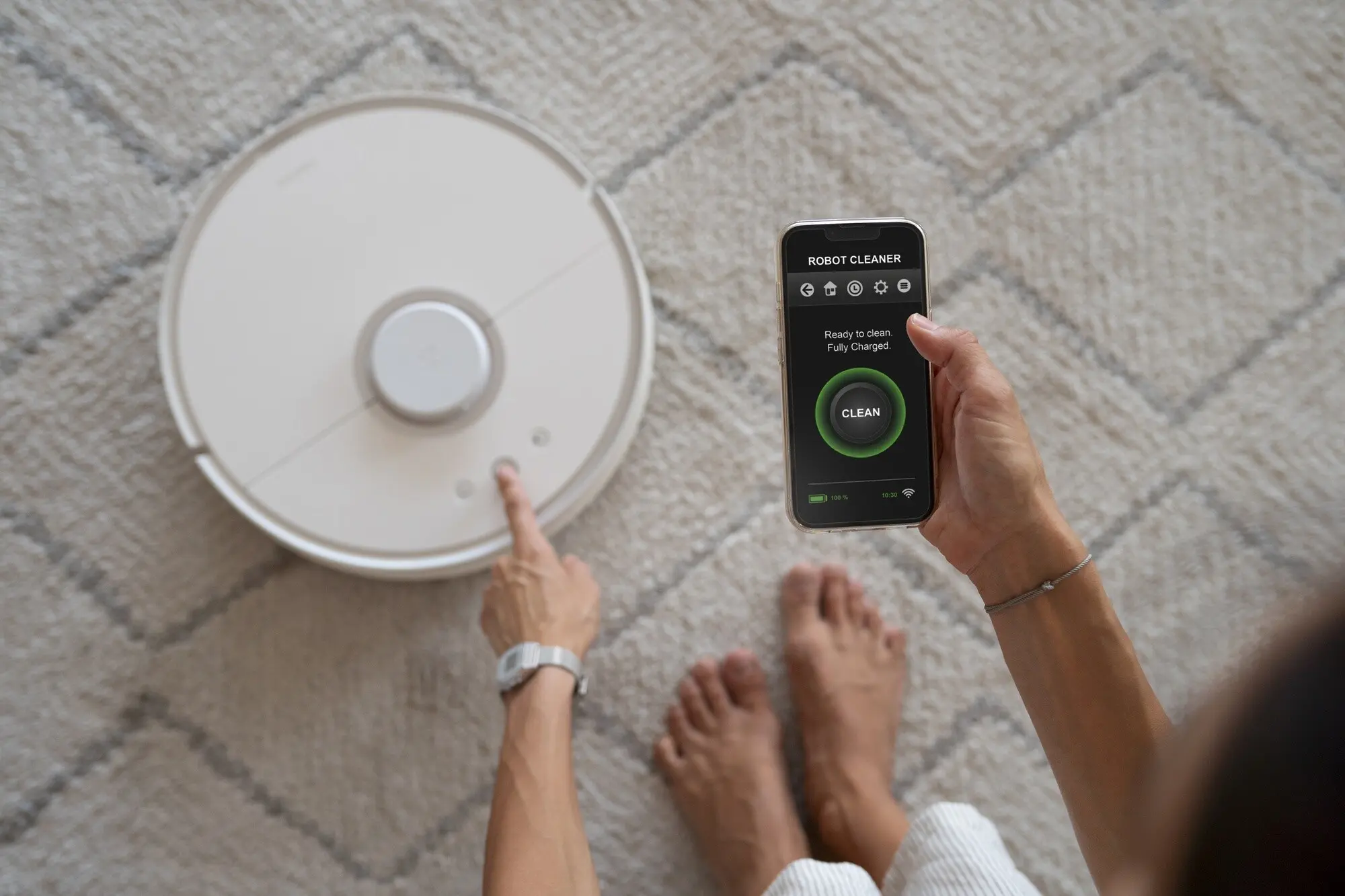
Assign new jobs to older gear: convert screens into photo frames or dashboards, deploy speakers as kitchen radios, or use smart plugs for seasonal lights. Repurposing preserves functionality while easing e-waste pressure. Share your clever transformations with neighbors or forums to spark ideas, strengthen community ties, and uncover local needs perfectly matched by yesterday’s devices.
Safe Data Wiping and Privacy
Before donating, selling, or recycling, remove personal data thoroughly. Unlink cloud accounts, revoke app permissions, and deauthorize voice assistants. Factory resets alone may not suffice—follow brand-specific guides and validate wipes. Careful, consistent data hygiene prevents identity exposure while ensuring the next user, recycler, or technician receives a clean slate that respects your family’s privacy.

Responsible Routes: Donate, Sell, or Recycle
Match each device to its best next chapter. Functional, safe gear supports donations to schools or community labs; high-demand items sell well; broken units head to certified recyclers. Research local programs, manufacturer take-back schemes, and e-Stewards or R2 facilities. Keep receipts, note serials, and package carefully to guarantee ethical handling and measurable environmental benefits.
Donation Done Right
Contact organizations first to confirm acceptance, power standards, and accessories required. Bundle chargers, manuals, and mounts to simplify setup. Include a note about remaining updates or quirks. Thoughtful preparation transforms a hand‑me‑down into an immediately useful tool, saves volunteers time, and ensures the device continues to serve people rather than gathering dust or becoming waste.
Resale with Integrity
List honest details, battery health screenshots, and clear photos. Disinfect and pack securely with recyclable materials. Prefer local transactions or reputable platforms that discourage illegal e-waste exports. Transparent listings fetch fair prices, reduce returns, and place gear into hands that will appreciate it, turning clutter into value while lowering the environmental cost of new production.
Certified Recycling
When devices are irreparable, choose facilities with recognized certifications like e‑Stewards or R2. Ask about downstream partners, battery handling, and data destruction procedures. Remove loose batteries, bag them safely, and label contents. Responsible recyclers recover materials while preventing toxic leakage, ensuring your final decision protects workers, communities, and ecosystems beyond your immediate neighborhood.
Handling Hazardous Components
Smart home gadgets often contain lithium batteries, soldered metals, and screens that demand careful treatment. Learn safe packing, storage, and transport practices to prevent fires or contamination. Coordinate with municipal programs, retail drop‑offs, or household hazardous waste events. Responsible handling protects sanitation workers, neighbors, and anyone who encounters your retired devices during their final journey.
Designing a Circular Smart Home
Purchase with Purpose
Look for credible labels and signals: robust warranty terms, spare parts availability, repair scores, and public sustainability reports. Favor energy efficiency and well-documented update lifecycles. Ask vendors about take-back options before purchasing. These questions reshape the market, rewarding transparency and durability while guiding households toward devices that remain valuable, safe, and useful for years.
Modularity and Upgrades
Choose products with replaceable batteries, detachable radios, or swappable boards that can adopt new protocols rather than forcing wholesale replacement. Modularity transforms change into a small part swap instead of an entire device discard. Over time, that habit slashes waste, preserves budgets, and keeps treasured gadgets participating in your evolving, elegant, and dependable home ecosystem.
Community Circles
Join neighborhood groups, makerspaces, and online forums to exchange parts, advice, and occasionally entire devices. Lending a spare sensor or borrowing a diagnostic tool prevents rushed purchases and needless waste. Ask readers to share success stories, subscribe for local resource maps, and comment with tips that strengthen collective knowledge while building friendships rooted in practical sustainability.
All Rights Reserved.